Understanding Clean Label Seasonings Preferences Among Indian Consumers
- ormrflavours
- Apr 25
- 3 min read

The demand for clean label seasonings is reshaping the Indian food market. Indian buyers are increasingly looking for products that align with their health values and culinary traditions. Understanding what drives these preferences helps manufacturers and suppliers meet the expectations of this growing segment.
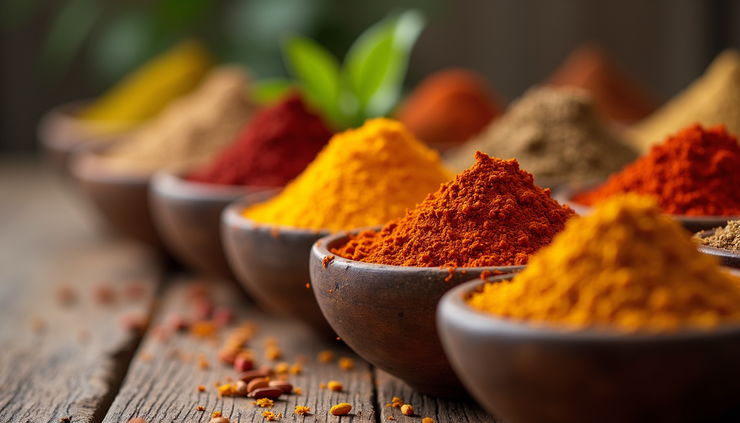
What Does Clean Label Mean to Indian Consumers?
Clean label seasonings refer to products made with simple, recognizable ingredients without artificial additives, preservatives, or synthetic chemicals. For Indian buyers, this concept goes beyond just health. It connects to authenticity, trust, and transparency.
Natural ingredients: Consumers want seasonings made from herbs and spices they can identify, such as turmeric, cumin, coriander, and chili.
No artificial colors or flavors: Many buyers avoid seasonings with synthetic dyes or flavor enhancers.
Minimal processing: Preference leans toward products that retain the natural aroma and taste of spices.
Clear labeling: Buyers expect detailed ingredient lists and origin information.
This trend reflects a broader shift in Indian households toward healthier eating habits and a desire to preserve traditional cooking methods.
Key Factors Influencing Indian Buyers’ Choices
Several factors shape the preferences of Indian consumers when it comes to clean label seasonings:
Health Consciousness
Rising awareness about the impact of food additives on health drives demand for clean label products. Many Indian consumers associate natural seasonings with better digestion, immunity support, and overall wellness.
Cultural Connection
Indian cuisine relies heavily on spices, and many buyers prefer seasonings that reflect regional flavors and traditional recipes. Clean label seasonings that highlight authentic spice blends from regions like Rajasthan, Kerala, or Punjab resonate well.
Trust and Transparency
Buyers want to trust the brand and product. Transparent labeling and certifications such as organic, non-GMO, or FSSAI approval build confidence.
Convenience Without Compromise
While consumers seek natural ingredients, they also want convenience. Ready-to-use clean label seasoning mixes that save time but maintain quality are popular.

Examples of Popular Clean Label Seasonings in India
Several seasoning types illustrate the clean label trend among Indian buyers:
Chaat Masala: A tangy, spice blend used in snacks and salads, often made with dried mango powder, cumin, black salt, and coriander.
Garam Masala: A warm, aromatic mix of cinnamon, cloves, cardamom, and peppercorns, traditionally ground fresh.
Tandoori Masala: A vibrant red blend used for marinating meats and vegetables, typically free from artificial colors in clean label versions.
Sambar Powder: A South Indian spice mix combining coriander, dried red chilies, fenugreek, and mustard seeds.
Brands that emphasize natural sourcing, no preservatives, and authentic recipes tend to perform well in these categories.
Challenges for Suppliers and Manufacturers
Meeting the expectations of Indian buyers for clean label seasonings involves several challenges:
Sourcing quality raw materials: Ensuring spices are pure, fresh, and free from contaminants requires strong supplier relationships.
Maintaining shelf life naturally: Without preservatives, manufacturers must use packaging innovations or natural antioxidants to keep products fresh.
Balancing flavor and simplicity: Clean label products must deliver the rich, complex flavors Indian consumers expect without relying on artificial enhancers.
Clear communication: Labels must be easy to understand and provide all necessary information to build trust.
Suppliers who invest in quality control and transparent practices gain a competitive edge.

What Indian Buyers Want Next
Looking ahead, Indian consumers are likely to seek:
Organic and sustainably sourced seasonings: Environmental concerns are growing alongside health awareness.
Customized spice blends: Regional and household preferences may drive demand for personalized seasoning options.
Clean label snacks and ready meals: Seasonings integrated into convenient, healthy food products.
Digital transparency: QR codes or apps providing detailed product stories and sourcing information.
Manufacturers who anticipate these trends and adapt their offerings will build stronger connections with Indian buyers.


Comments